What should I do if I’ve recently been diagnosed with Coronavirus?
If you’ve recently contracted symptoms of COVID-19 or any other winter illness, it’s important to follow all government and medical advice to ensure your swift recovery. This includes their guidelines on your self isolation period. During this time you should only exercise at home, and should avoid leaving the house.
This page will take you through what to expect, and how best to speed up your recovery through gentle physical activity. We’ve also listed several resources for you to make use of.
Recovery from COVID-19: What to expect
Recovery from COVID-19 may take time. The length of time needed will vary from person to person. It’s important not to compare yourself to others.
If you have been vaccinated, you may find that your symptoms are milder than others. However, this is not always the case so don’t panic if you’re feeling particularly poorly.
What post-COVID effects could I encounter?
There are several post-COVID effects you may encounter. Familiarising yourself with these will help prepare you.
- Muscle weakness and joint stiffness
- Extreme tiredness (fatigue) and a lack of energy
- A persistent cough
- Loss of appetite, weight loss, swallowing difficulties
- Sleep problems and nightmares/flashbacks particularly if you have been in an intensive care unit
- Memory problems
- Changes in your mood, or anxiety or depression
We know it’s very scary to contract symptoms or receive a diagnosis. COVID-19 is still quite unknown to us, however more and more is being learned every day.
Ongoing symptoms could last for several months after you contract COVID-19 and this can be perfectly normal.
Returning to physical activity after COVID-19
After a period of illness and inactivity, your muscles will be much weaker than normal. You will also likely be less fit than you were.
When you can start exercising again, and how quickly you’ll feel back to your usual level of fitness will depend on your personal circumstances. Some people may recover and return to their pre-COVID fitness levels fairly quickly. But for others, completing everyday tasks like climbing the stairs or making a cup of tea may feel challenging at first.
There are currently no official guidelines on returning to physical activity after coronavirus. However, it’s recommended you start slowly, and gradually increase your activity levels each week.
Exercises to get started on your road to recovery
- Start with the Four step recovery plan
- Simple everyday tasks (walking down the stairs, making a cup of tea)
- Gentle home activities (Stretches, Yoga, Seated exercises)
- Going for a short walk (Once out of isolation, and preferably with company)
- Gradually increase the amount you move as you feel better
By being active you become stronger and fitter.
You may notice your tiredness increase, and some breathlessness at first but these should improve the stronger you get.
This is a normal response and it’s not harmful to get out of breath when doing physical activity. However, if you are too breathless to speak, slow down until your breathing improves.
To work out whether you are the exercising at the right level, think about speaking a sentence:
- If you can speak the whole sentence without stopping and are not feeling breathless, then you can exercise harder
- Or, if you cannot speak at all, or can only say a word at a time and are severely breathless, then you are exercising too hard
- If you can speak a sentence, pausing once or twice to catch your breath, and are moderately to almost severely breathless, then you are exercising at the right level
When to stop exercising
It’s important to pay close attention to how you’re feeling when you exercise. Stop exercising immediately and speak to your doctor or a healthcare professional if you feel:
- Short of breath (that’s unusual for the amount of activity you’re doing)
- A fast and more noticeable heartbeat (that’s unusual for the amount of activity you’re doing)
- Any pain or tightness in your chest
- Dizzy or faint
Remember, everyone recovers at different rates, so stay patient with yourself and build up gradually. If you need additional resources on getting active, check below for some handy websites and toolkits.
Resources to help your recovery
The above websites contain lots of information and resources to help you begin recovery. If you’re more of a visual learner, Michelle Kenway has some excellent videos on various home exercises, and how they can help. You can check some of these out below.
Related pages:
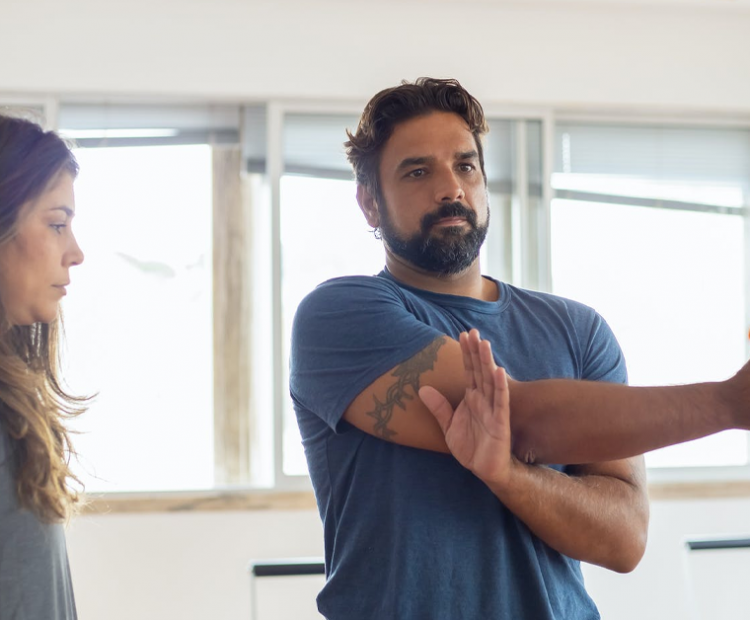
Recovering from Illness
Find out more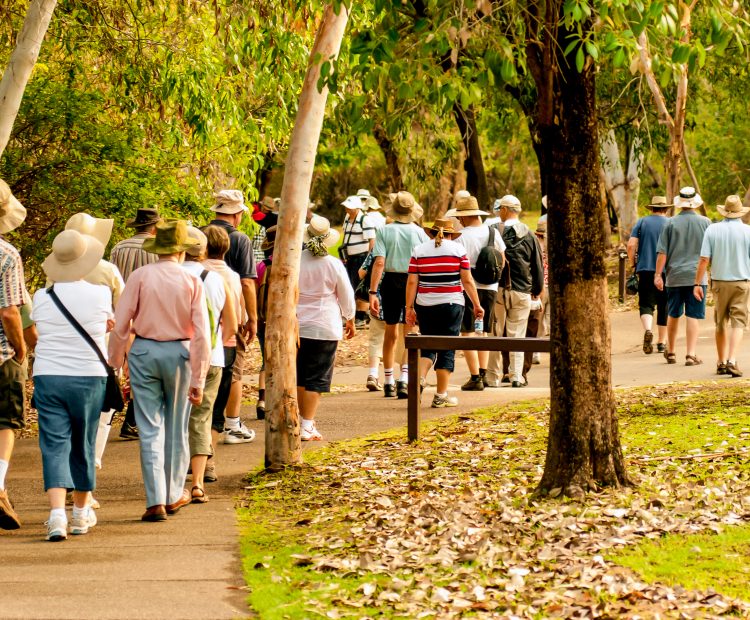
Places to walk in Norfolk
Find out more